
A Practical Container Size Guide
20-Foot vs. 40-Foot Shipping Containers: Which Fits Your Needs?
Compare storage space, site requirements, and access needs to choose a container that works for your items and your property.
Plan Your Storage
List what you’ll store and measure bulky or unusually long items before choosing a size.
Check Your Site
Consider placement space, delivery access, and room to maneuver around the container.
Think About Access
Leave a practical path to items you’ll need to retrieve regularly.
20-Foot and 40-Foot Container Dimensions
20-Foot Container
Exterior length: approximately 20 ft
Exterior width: approximately 8 ft
Exterior height: approximately 8 ft 6 in
Interior length: approximately 19 ft 4 in
Interior width and height: approximately 7 ft 8 in × 7 ft 10 in
40-Foot Container
Exterior length: approximately 40 ft
Exterior width: approximately 8 ft
Exterior height: approximately 8 ft 6 in
Interior length: approximately 39 ft 5 in
Interior width and height: approximately 7 ft 8 in × 7 ft 10 in
When a 20-Foot Container Makes Sense
Fits Shorter Placement Areas
A 20-foot unit offers storage while leaving more room for parking, work areas, or vehicle access.
Suits Smaller Inventories
Store tools, supplies, or equipment for a home project, smaller worksite, or business when they fit comfortably inside.
Keeps Items Within Reach
A shorter interior can make a manageable amount of stored material easier to organize, provided you leave a path to frequently needed items.
When a 40-Foot Container Makes Sense
More Items to Store
Choose the extra length when your inventory will not fit comfortably in a 20-foot unit.
Long Materials
Measure lumber, pipes, or other long pieces to see whether they need the longer interior.
Larger Equipment
Account for equipment dimensions and the clearance needed to load and retrieve it.
Separate Storage Zones
Use the added length to organize tools, supplies, and inventory into distinct areas.
Growing Project Needs
Consider future deliveries of materials if your storage list is likely to expand.
Adequate Placement Space
Confirm that the longer footprint leaves enough room for parking and daily work.
Clear Delivery Access
Check that a delivery vehicle can reach and position a 40-foot unit at your site.
A Practical Size Choice
A larger container may not be the better fit if it crowds your site or complicates delivery.
Check Your Site Before Delivery
Step 1
Step 2
Step 3
Build Your Storage List
A simple inventory helps you compare container sizes without guessing how much space you need.
1
List What You Will Store
Write down equipment, supplies, inventory, and materials you expect to place in the container.
2
Measure Bulky Pieces
Record the dimensions of your largest, longest, or most awkward items and note any loading clearance they need.
3
Plan for Access
Identify what you will retrieve often so you can leave a workable path to those items.
4
Allow Room to Adapt
Group items for practical organization and leave space for storage needs that may grow during your project.
Rent, Buy, or Rent-To-Own?
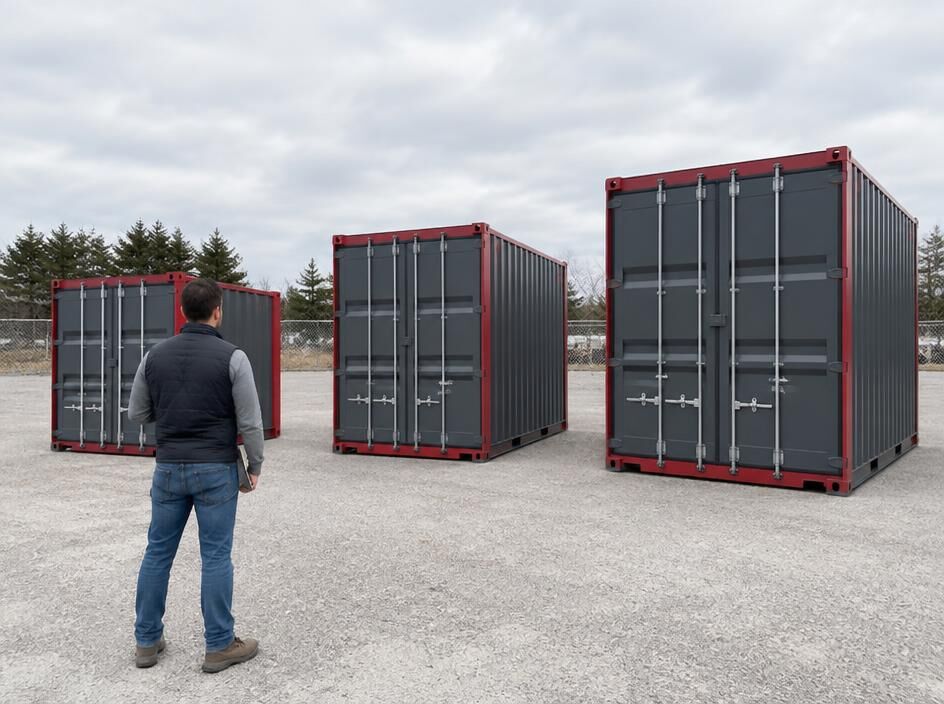
Rent a Container
Renting a 20-foot or 40-foot container may suit a temporary project or storage needs that could change.
Suited to shorter-term needs
Useful for changing projects
Choose the size that fits your site
Ask about current availability
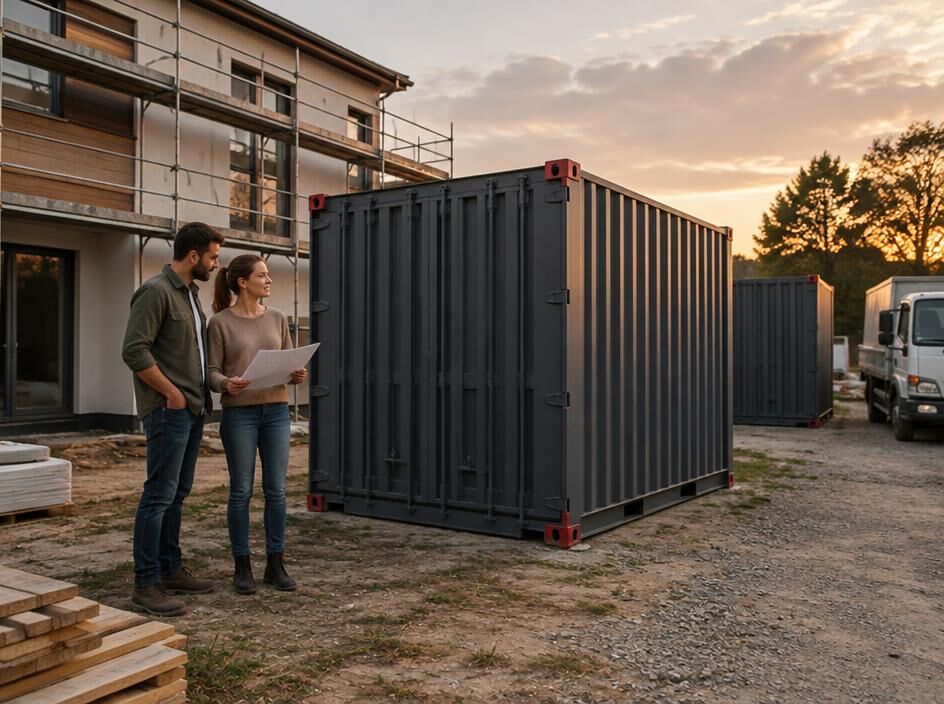
Buy or Rent-To-Own
Buying may suit longer-term storage. Rent-To-Own is another option; confirm current availability and terms directly with Contain It Inc.
Consider buying for ongoing use
Explore Rent-To-Own options
Confirm current terms directly
Discuss 20-foot and 40-foot sizes
Find the Right Container for Your Site
Call Contain It Inc. at 317-409-9000 to discuss 20-foot and 40-foot container availability, delivery across Tennessee and Kentucky, and an estimate for your storage needs.